Nutrition
Dog nutrition is an important aspect of responsible pet ownership. Proper nutrition is essential for a dog's growth and development and for maintaining good health.
Dogs require a balanced diet with protein, carbohydrates, fats, vitamins, and minerals. The specific dietary needs of a dog depend on factors such as their age, breed, size, and activity level. Puppies and growing dogs require a higher protein and calorie diet. In contrast, senior dogs may benefit from a lower-calorie diet to prevent obesity and other health issues.
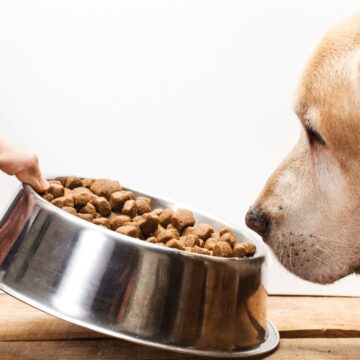
Owners must provide their dogs with high-quality commercial dog food that meets their nutritional needs. Homemade diets can be difficult to balance properly and may not provide the nutrients for optimal health.
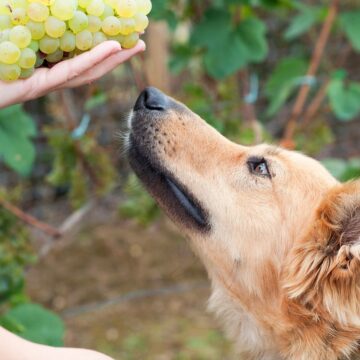
Owners should also be aware of common foods toxic to dogs, such as chocolate, onions, and grapes, and avoid feeding them.
Narrow your search:
-
Is Chicken Or Beef Better For A Bland Diet
-
What Is A "Bland Diet" For Dogs
-
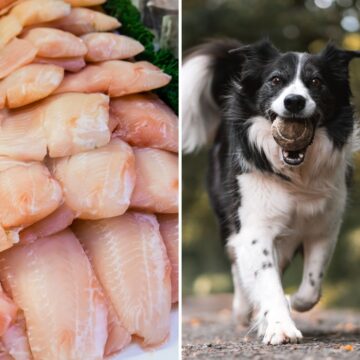
Can Dogs Eat Tilapia?
-
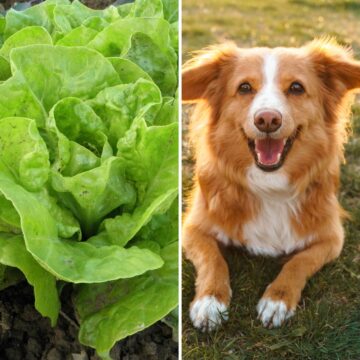
Can Dogs Eat Lettuce?
-
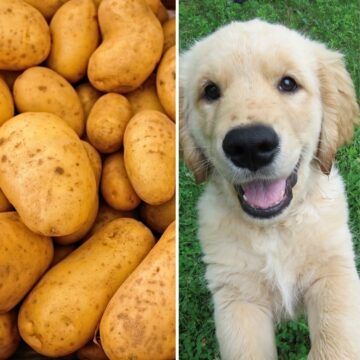
Can Dogs Eat Potatoes?
-
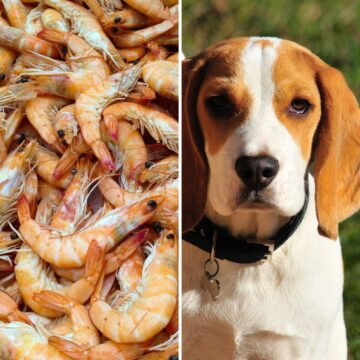
Can Dogs Eat Shrimp?
-
Can Dogs Eat Avocados?
-
Can Dogs Eat Carrots?
-
Can Dogs Eat Cheese?
-
Can Dogs Eat Mangos?
-
Best Diet for Dogs
-
Can Dogs Eat Licorice?
-
Can Dogs Eat Eggs?
-
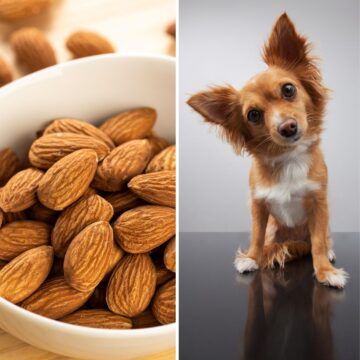
Can Dogs Eat Almonds?
-
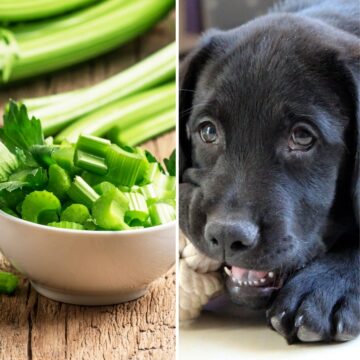
Can Dogs Eat Celery?
-
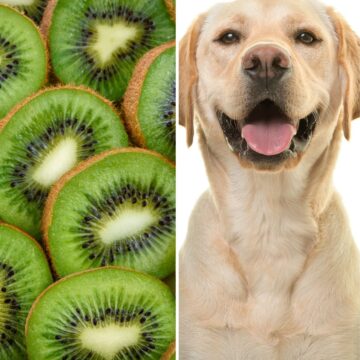
Can Dogs Eat Kiwi?
-
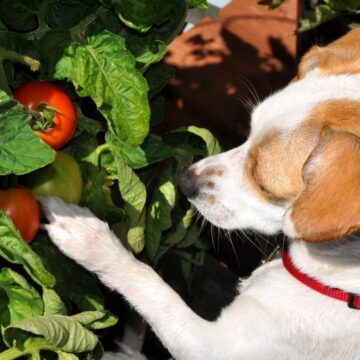
Can Dogs Eat Tomatoes?
-
Can Dogs Eat Pecans?
-
Can Dogs Eat Grapes
-
Can Dogs Eat Strawberries?
-
Can Dogs Eat Edamame?
-
Can Dogs Eat Bananas?
-
Can Dogs Eat Apples?
-
Can Dogs Eat Quinoa?