





Meet the Australian Shepherd: a brainy, beautiful, and boundlessly energetic canine that's as All-American as apple pie (despite the name!). Often called 'Aussies,' these dogs are renowned for their loyalty, striking multi-colored coats, and a supernatural ability to outsmart and outwork just about anyone. Find out if this herding breed is the perfect four-legged friend for your home.
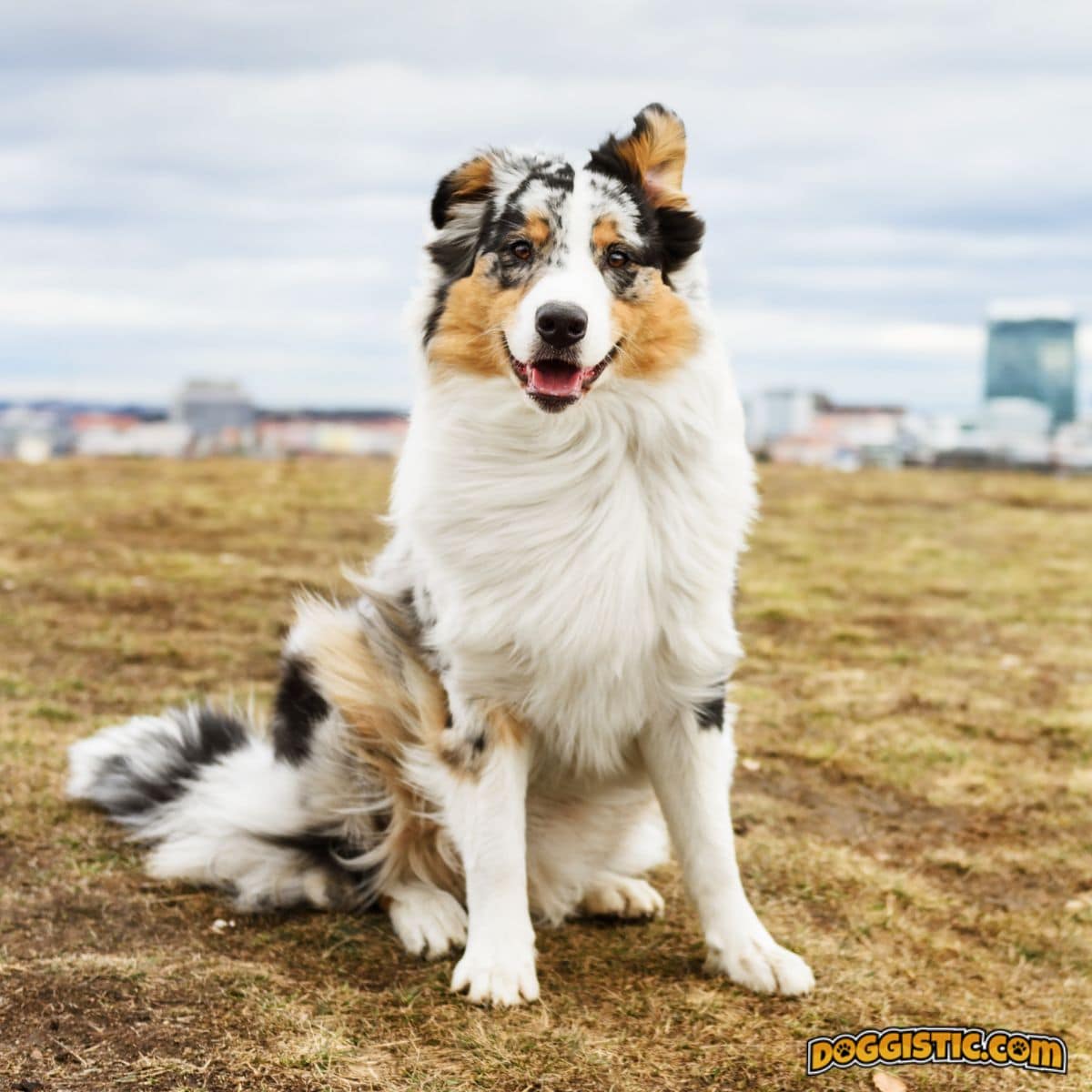
The Australian Shepherd, or ‘Aussie,’ is a high-energy herding breed known for its striking looks and incredible work ethic.
If you’re considering adding this popular breed to your family, here’s everything you need to know.
Table 1: Australian Shepherd Breed Characteristics
| Attribute | Description |
|---|---|
| Size | Medium |
| Weight | Males: 50–65 pounds (23–29 kg) Females: 40–55 pounds (18–25 kg) |
| Height | 18–23 inches at the shoulder |
| Lifespan | 12–15 years |
| Coat Type | Medium-length, double coat; straight to wavy; year-round shedding |
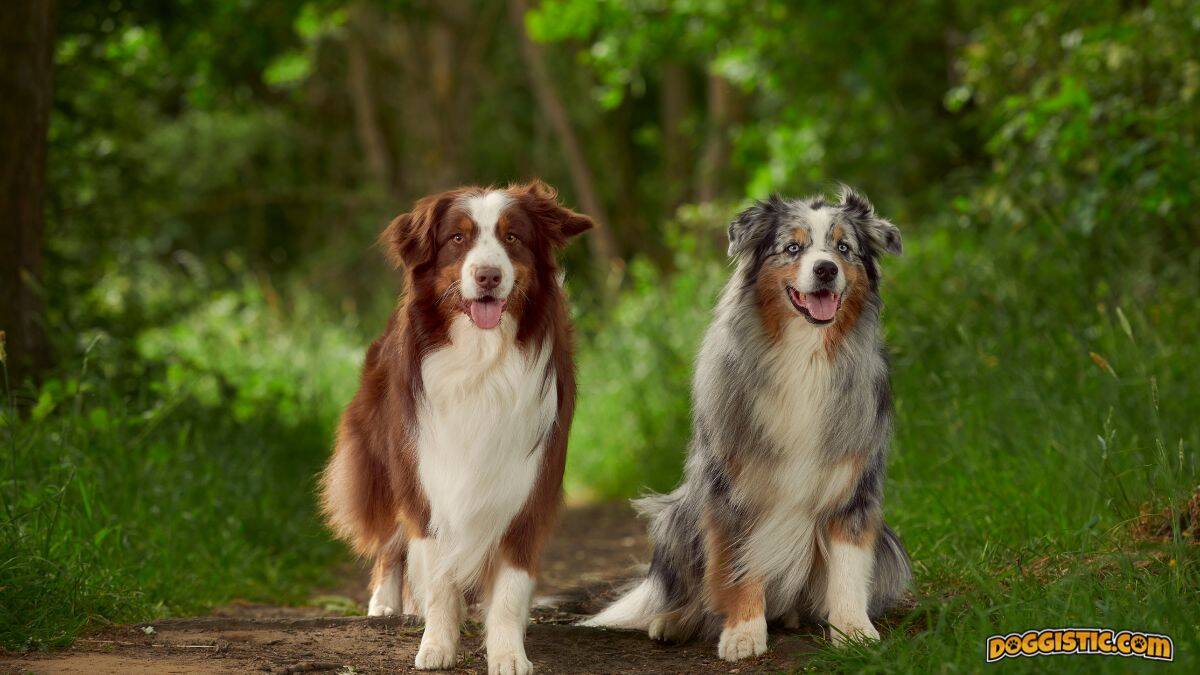
| Coat Colors | Blue merle, red merle, black, red (Fun fact: No two merle patterns are ever identical!) |
| Exercise Needs | High, at least 1–2 hours of physical and mental activity daily |
| Socialization | Important from 3–12 weeks to prevent herding behavior and ensure good manners |
| Training | Highly intelligent and trainable; excels with positive reinforcement |
| Grooming | Brushing 2–3 times/week (daily during shedding); bathe every 4–6 weeks |
History and Origin
Don't let the name fool you! The Australian Shepherd is a true American original, forged in the rugged landscapes of the American West during the 19th century.
While their ancestors likely journeyed from Europe through Australia before landing in America, it was on U.S. ranches that the breed we know today was honed. Cowboys and farmers prized them for their intelligence, stamina, and uncanny ability to manage livestock.
Their star power wasn't limited to the range, though. Aussies captivated audiences in rodeo arenas and galloped across the silver screen in Western films, cementing their place in American culture
Temperament & Personality
Australian Shepherds are fiercely loyal and form incredibly strong bonds with their families. Often called 'Velcro dogs,' they thrive on companionship and will want to be involved in everything you do.
This loyalty is endearing, but their intelligence is a double-edged sword: a bored Aussie is a mischievous Aussie!
The Aussie Herding Instinct
This breed's innate drive to gather and control can translate to gently (or not-so-gently) nudging children and other pets to keep them 'grouped' or nipping at heels during play. Early training is key to channeling this instinct positively.
Exercise Needs
Think 'canine athlete' and you're on the right track. An Aussie isn't content with a leisurely walk around the block. They need a minimum of 1-2 hours of vigorous physical exercise and mental stimulation daily.
These dogs need a 'job.' They excel in:
- Mental puzzles - Puzzle feeders, learning new tricks, scent work games.
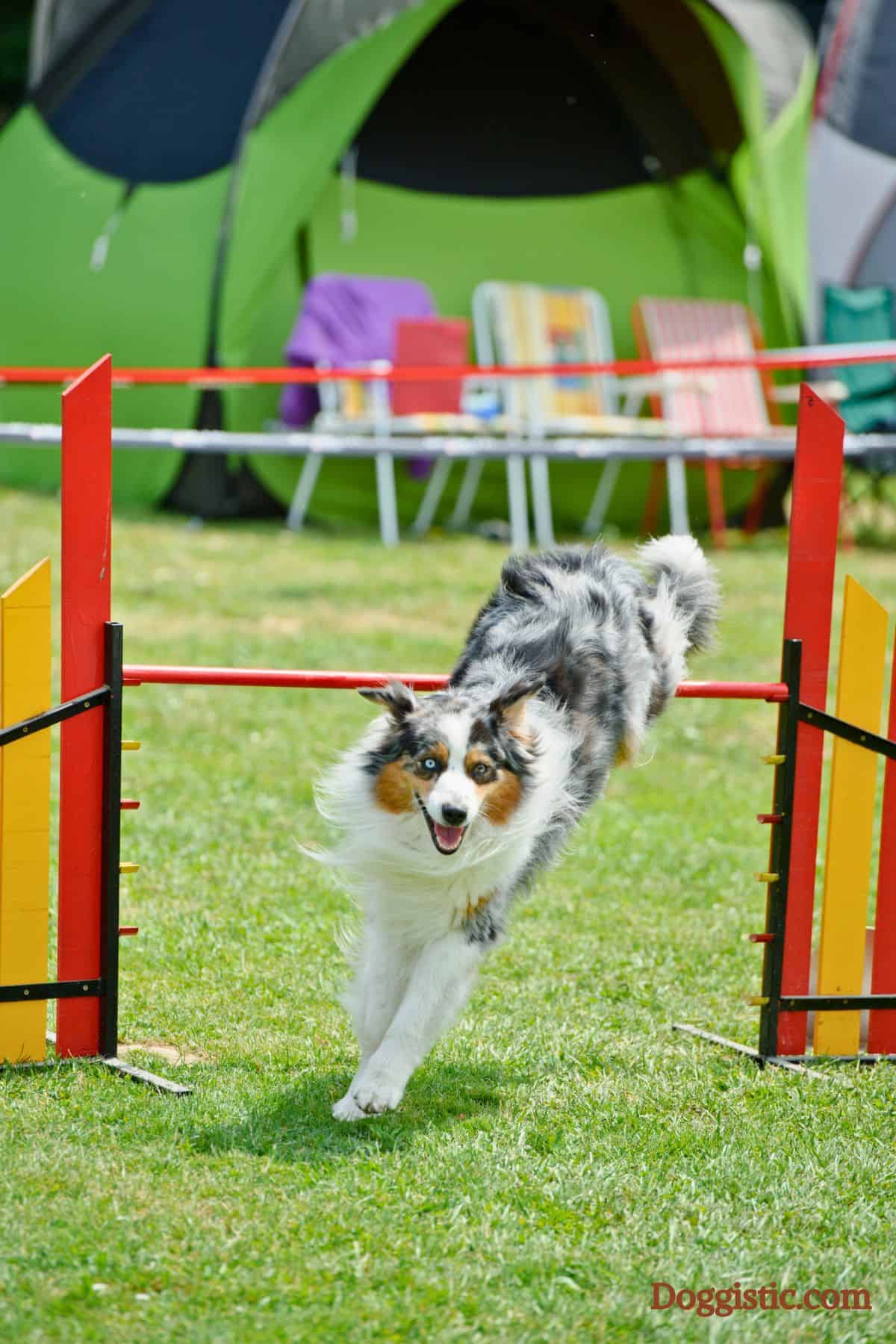
- Dog sports - Agility, herding trials, obedience, rally, dock diving, and Frisbee.
- Active companionship - Long hikes, trail running, fetch sessions that challenge them.
Without enough mental and physical stimulation, they can develop behavioral problems like barking or destructive chewing.
Training and Socialization
Aussies are fast learners and love a challenge. They're incredibly intelligent, eager to please, and learn new commands with lightning speed, but require consistency.
- Use positive reinforcement. They thrive on positive reinforcement methods (treats, praise, toys). Harsh corrections can damage their sensitive nature and willingness to work with you.
- Early Socialization is a Non-Negotiable. From 3 to 16 weeks old is a critical window. Expose your Aussie puppy to a wide variety of sights, sounds, people, and other well-behaved dogs (once vaccinated) in a controlled and positive way. This helps prevent fearfulness and ensures their herding instincts don't translate into inappropriate behavior towards unfamiliar people or animals.
- Give Them a Job (Even a Small One!). Enrolling in obedience classes, teaching complex tricks, or even giving them 'chores' like fetching your slippers can satisfy their need to work.
Health Concerns
Aussies typically live 12 to 15 years and are generally healthy, though they may be prone to:
- Hip Dysplasia: A genetic condition affecting the hip joint.
- Epilepsy: A neurological disorder that causes recurring seizures, typically managed with medication.
- Progressive Retinal Atrophy (PRA): A degenerative eye disease that leads to gradual vision loss and eventual blindness.
- Collie Eye Anomaly (CEA): A congenital eye defect that can impair vision, ranging from mild to severe.
- Multidrug Sensitivity (MDR1 Mutation): A genetic mutation that affects how the body processes certain medications, making some drugs potentially toxic. Note: Always inform your veterinarian that you have an Australian Shepherd so they can help you choose flea and heartworm prevention and other medications safely. *Genetic testing for MDR1 is available and highly recommended.
Choosing a responsible breeder who screens their dogs for these and other genetic conditions is your first line of defense. Regular veterinary check-ups will help catch any potential issues early.
Diet and Nutrition
Choose a premium commercial dog food or a veterinarian-approved homemade diet that includes the right balance of protein, healthy fats, and complex carbohydrates.
Portion control is important to prevent weight gain, especially in less active Aussies.
Grooming and Care
That stunning Aussie coat doesn't maintain itself! Their medium-length double coat is weather-resistant but also a shedding machine, especially during spring and fall 'coat blows.'
- Plan on brushing 2-3 times a week (daily during heavy shedding) with an undercoat rake and a slicker brush to prevent matting and keep 'fur bunnies' at bay.
- Bathe only as needed, typically every 4-6 weeks, or when they've found something particularly fragrant to roll in. Over-bathing can strip natural oils.
- Resist the urge to shave your Aussie in summer! Their double coat actually insulates them from both heat and cold. Shaving can damage the coat and reduce their ability to regulate temperature.
Are Australian Shepherds Good Family Dogs?
Australian Shepherds can be fantastic family dogs. They're loyal, playful, and deeply affectionate. They often form strong bonds with children and can coexist peacefully with other pets, provided some crucial conditions are met.
- Active Lifestyle. This is not a dog for a sedentary family. Everyone needs to be on board with providing ample exercise and mental engagement.
- Consistent Training & Socialization:.Early and ongoing training helps manage their herding instincts around kids and other animals.
- Inclusion. They want to be part of the family's daily activities, not left alone for long periods.
For families willing to invest the time and energy, an Aussie will repay you with unwavering companionship, endless entertainment, and a whole lot of love. They truly thrive when they have a job and a loving 'flock' to care for.
Looking for more dog breed profiles? Subscribe to Doggistic for expert pet care tips and insights.



Comments
No Comments